Do you want to spark your child’s imagination without a complicated craft project? You’re in the right place. This guide is for the busy parent who values creative play but needs a simple, no-sew solution.
The magic is in the method. The great thing about all of them is that they can be done using things you probably already have at home. From a quick fairy wings creation to a majestic dragon cloak, professional-looking results are totally achievable. These projects are perfect for any event, whether you’re going trick-or-treating, a family get-together, or a party.
We frame this not just as making outfits, but as an accessible way to foster storytelling at home. It’s about turning a regular afternoon into an adventure. Using simple household items and a bit of guidance, you can build a whole world of fantasy.
This approach empowers you to create magical play experiences with zero stress. You’ll find that these activities do more than make a costume; they spark imagination and build confidence. Let’s explore 15 enchanting ideas that prove creativity doesn’t require a sewing machine.
Materials & Tools: safe fabric tape, felt, tulle, elastic, Velcro; hot‑glue alternatives
Your no-sew costume toolkit starts with a few key items. These ensure both safety and creativity. Think of this as a curated list from a workshop instructor. The right materials transform simple crafting into magical wear. You will not need a sewing machine or complex patterns.
We prioritize child-safe, easy-to-use supplies. This approach builds confidence and makes the process foolproof. Let’s demystify each essential item.
Strong, safe adhesives replace needle and thread. They are the foundation of any no-sew project.
- High-Bond Fabric Tape: This double-sided tape is a hero for no-sew costumes. It permanently bonds fabrics like felt and tulle. Look for varieties labeled “high strength” for costumes that endure play.
- Hook-and-Loop Tape (Velcro): Velcro is perfect for adjustable closures. Use it on belts, capes, and tunics. It allows for growth and easy dressing. Choose sew-on types that can be attached with fabric tape or glue.
- Hot-Glue Alternatives: Safety first. A low-temperature glue gun used with direct adult supervision works for quick, sturdy bonds. For a completely heat-free option, use strong craft glue or fabric glue. These require longer drying times but are excellent for attaching embellishments.
Fabrics for Fantasy: Structure and Flair
Choose fabrics that are easy to cut, shape, and adhere.
- Felt: This stiff, non-fray fabric is a workhorse. It creates structure for collars, animal ears, mushroom caps, and tunics. It bonds beautifully with fabric tape.
- Tulle and Sheer Fabrics: Nets like tulle or delicate organza add volume and mystery. They are ideal for fairy wings, princess skirts, and magical veils. They gather easily and attach with tape or glue.
- Basic Cotton or Broadcloth: Use for simple tunics or sashes where a softer drape is needed.
Structural Supports & Finishing Touches
These items give costumes their shape and function.
- Elastic Bands: Essential for waistbands, headbands, and securing skirts. Use soft, wide elastic for comfort.
- Craft Wire or Shaped Hangers: Bendable wire creates forms for wings, antennae, or crowns. Always cover sharp ends with tape for safety.
- Ribbons, Trims, and Gems: These are the magic sparkle. Use fabric-safe glue to attach them securely, avoiding small parts for very young children.
With this toolkit assembled, you are ready to build. Each material has a clear role. The right tools make every project a success.
15 Fast Builds: cape, elf tunic, fairy skirt, dragon tail, animal ears, pirate sash, princess collar, mermaid belt,
Ready to create magic in minutes? Dive into our curated collection of 15 fast, no-sew fantasy costumes for kids. Each build transforms simple materials into wearable adventures. The focus is on streamlined techniques that yield impressive results in under an hour.
This catalog is your practical guide. It turns imagination into tangible playtime cosplay with minimal fuss. You will find ideas for capes, tunics, skirts, and accessories. Every project uses bond-and-stick methods instead of sewing.
The table below outlines each costume idea, its core construction method, and key components. Use it as your quick-reference blueprint for creative success.
| Costume Idea | Core No-Sew Technique | Key Materials | Est. Build Time |
|---|---|---|---|
| Hero’s Cape | Fabric shaped with safety scissors and secured with hook-and-loop tape. | Felt, Velcro strips, fabric glue | 15 min |
| Elf Tunic | Oversized t-shirt cinched with a rope belt and decorated with leaf appliqués. | Green shirt, fabric tape, faux leather cord | 20 min |
| Fairy Skirt | Layers of tulle gathered on a elastic waistband to create a full tulle tutu. | Tulle rolls, elastic, ribbon | 25 min |
| Dragon Tail | Fabric tube stuffed with batting and adorned with triangular felt spikes. | Felt, fabric glue, stuffing, safety pins | 30 min |
| Animal Ears | Headband wrapped with fabric and topped with ear shapes cut from felt or foam. | Felt, headband, hot glue | |
| Pirate Sash | Wide strip of fabric knotted at the hip, holding a toy sword or spyglass. | Red felt, gold cord | 10 min |
| Princess Collar | Stiff felt or cardboard cut into a jeweled neckpiece, attached with ribbon. | Sparkly felt, gems, ribbon | 20 min |
| Mermaid Belt | Sequined fabric waistband with a “fin” extension made from iridescent material. | Scale-pattern fabric, elastic, glue | 25 min |
| Fairy Wings | Wire hangers bent into shape, covered with sheer fabric or glittery tulle. | Wire, tulle, elastic straps | 40 min |
| Wizard’s Hat | Cone made from poster board or stiff felt, decorated with moon and star shapes. | Blue felt, fabric tape, glitter | 30 min |
| Knight’s Shield | Cardboard cutout covered with metallic paper and a heraldic symbol. | Cardboard, adhesive foil, handle | 25 min |
| Superhero Cuffs | Toilet paper rolls or felt cylinders decorated with emblem stickers. | Felt, adhesive vinyl | 10 min |
| Butterfly Antennae | Headband with wire and pom-poms or felt shapes attached to the ends. | Headband, wire, pom-poms | 15 min |
| Royal Scepter | Dow rod topped with a large gem or ornament, wrapped in ribbon. | Dowel, faux gem, hot glue | 20 min |
| Forest Gnome Beard | Bulk yarn attached to a string or elastic that loops behind the ears. | Yarn, elastic, craft glue | 15 min |
Let’s explore a few standout builds in more detail. The Fierce, Yet Simple Dragon costume is a favorite. It uses a basic hoodie as the base. Glue or tape felt scales in a overlapping pattern down the back. Attach a stuffed fabric tail with strong fabric tape.
For the Whimsical Enchanted Forest Fairy, start with a simple dyed dress. Create the iconic fairy wings using a wire hanger bent into wing shapes. Stretch and secure sheer fabric or glittery tulle over the frame. Attach elastic straps for wearing.
Animal ears are among the fastest projects. Cut ear shapes from stiff felt or craft foam. Attach them to a plain headband using a hot glue gun or strong fabric adhesive. Customize them for cats, foxes, or bears with different colors and shapes.
The tulle tutu skirt is a classic for a reason. It requires no sewing at all. Simply cut long strips of tulle. Tie them onto a length of elastic until it’s full and fluffy. This method allows for endless color combinations.
Each build encourages customization. Let your child choose colors and decorations. This process turns costume creation into a shared, creative activity. The goal is fun, not perfection. These fast builds are designed to withstand active playtime cosplay and spark endless stories.
Sizing for Growth + Fit Hacks
Instead of sewing costumes that will be outgrown, savvy creators use smart design tricks. These tricks make the costume grow with the child. It’s a clever way to solve a common problem and turn a simple outfit into a lasting treasure.
Adjustable closures are key. Use Velcro, long fabric ties, or buckles instead of permanent stitches. For example, a pirate sash wraps and ties, growing with the child. An elf tunic has a Velcro closure at the shoulder, expanding as the child grows.
Design with extra room. A princess collar or mermaid belt should be longer than needed. This way, you can adjust the fit as the child grows. Another trick is the growth tuck. Make a deep hem on a fairy skirt or dragon tail and secure it with temporary stitches or tape. Let the tuck out for more length when needed.
Specific fit hacks offer more flexibility. Use elastic in a casing channel, not sewn directly to the fabric. This way, you can easily swap it out for a longer piece later. For suspenders, add two sets of button placements. Use the inner set now and the outer set later for a longer fit.
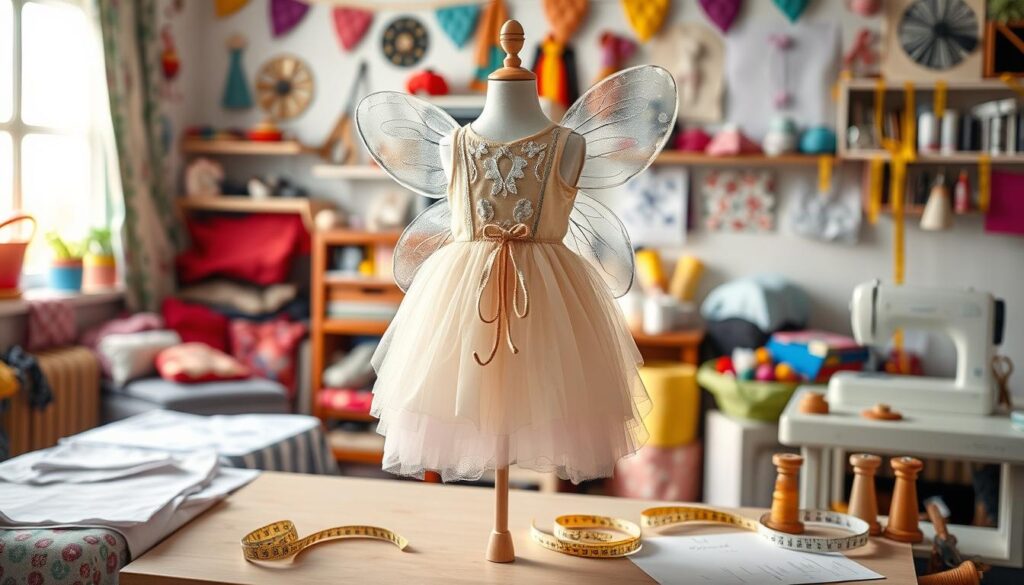
These methods make your DIY costume last through many seasons. They show you’re a practical problem-solver who thinks ahead. Your child gets a custom-fit garment that grows with them, not the other way around.
To see the best strategies, compare these popular adjustment methods:
| Adjustment Method | Best For | How to Implement | Growth Allowance |
|---|---|---|---|
| Velcro Strips | Shoulders, waistbands, collars | Use adhesive or fabric-tape Velcro; place one side on an extended fabric flap | 2-3 inches |
| Long Fabric Ties | Sashes, capes, tunics | Cut ties 8-12 inches longer than needed; use for wrapping and knotting | Extensive, based on tie length |
| Growth Tucks in Hem | Skirts, pants, sleeves | Fold a deep hem (2-3 inches) and secure with removable fabric tape | Full depth of the tuck |
| Elastic in Casing | Waistbands, cuffs, headbands | Create a fabric tunnel; thread elastic through, but do not stitch elastic to fabric | Replace elastic for up to 4 inches of give |
| Double-Button Placement | Suspenders, straps, belts | Sew two buttons spaced 2 inches apart; move strap between them as needed | 2-inch increment |
Learning these sizing for growth tricks means you create smarter, not harder. Your creations celebrate your child’s imagination without being limited by their size. It shows you’re a thoughtful and resourceful maker.
Play Durability & Washability
Turning your craft into a lasting play piece needs smart reinforcement and easy care. Aim to make it a trusted, often-worn part of your child’s fantasy wardrobe. This section offers expert advice on building durability and easy maintenance.
Strategic Reinforcement for High-Stress Areas
Children’s play is full of energy, which means some parts of a costume wear out faster. Strengthening these stress points early on can prevent most repairs later. Focus on areas where tension and movement are highest.
- Wing & Cape Attachments: Use a lot of strong fabric tape inside where wings or a cape meet a harness or collar. This spreads out the pull forces.
- Base of Animal Ears or Horns: Reinforce where felt ears meet a headband. Use fabric tape on both sides of the felt, or for a permanent fix, a few hand-stitches with sturdy thread.
- Belt or Sash Ends: Keep Velcro or ties from tearing. Add felt or fabric tape to the backside of the attachment point before securing closures.
Proper cleaning keeps your costumes fresh and safe. Follow this guide based on the materials you’ve used.
- Check Fabric Content: Costumes made from machine-washable fabrics like cotton tulle or broadcloth can be washed gently. Always use cold water.
- Protect Adhesives: To keep hot-glue or fabric-tape bonds safe, turn the costume inside out before washing. Place it in a mesh laundry bag for extra protection.
- Skip the Heat: Never dry costumes in a dryer. High heat can melt adhesives and cause materials to shrink or warp.
- Air-Dry Thoroughly: Lay the costume flat on a clean towel or hang it to dry completely. This keeps the shape of skirts, collars, and accessories.
- Spot Clean When Possible: For small stains on delicate areas with lots of glued details, use a damp cloth with mild soap. This often avoids a full wash.
By following these tips, your magical creations will be ready for endless adventures. A bit of foresight in reinforcement and a simple care routine are the secrets to a lasting dress-up collection.
Safety Checklist (CPSIA, Visibility, Heat, Small Parts)
This checklist turns important safety rules into easy steps for confident crafting. It’s not a barrier, but a guide for making fun without worry. A safe costume is also a durable one, building trust in your creations.
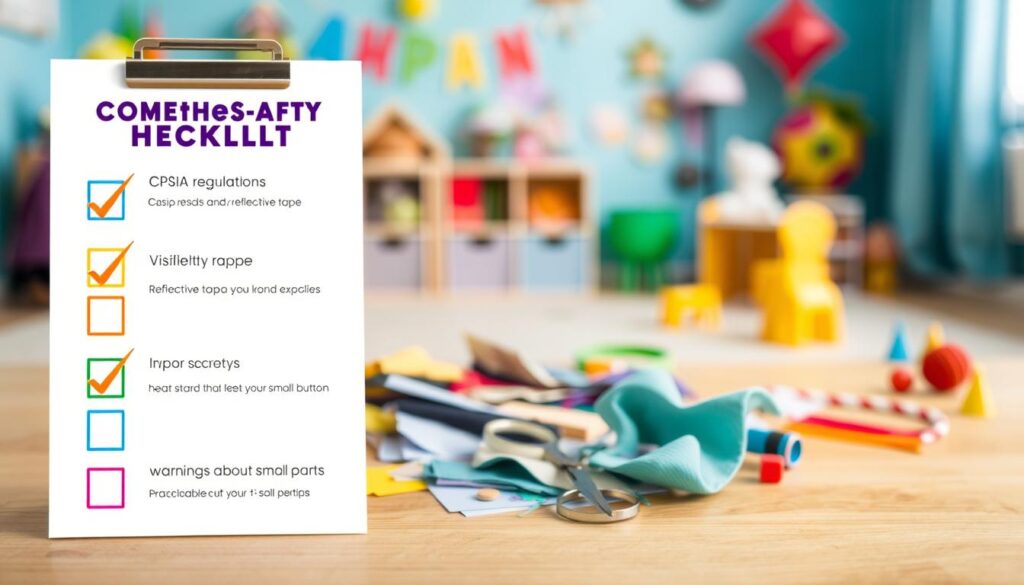
First, check if materials meet the Consumer Product Safety Improvement Act (CPSIA) standards. Choose certified materials like labeled felt or fabric from trusted stores. These are tested for harmful substances, giving you a solid base.
Small parts like faux flowers or buttons can be choking hazards. Make sure they are securely attached to withstand play.
- Fabric glue is better than hot glue for textiles because it’s more flexible.
- Stitching with a needle and thread is the most reliable way to attach heavy embellishments.
- Always test the attachment by tugging on it. If it moves, add more glue or stitches.
Feel every edge of your costume. Rough cuts can scratch skin. Use sandpaper to smooth cardboard or wood. A costume should feel magical, not rough.
Visibility is key for safe play. Avoid long, trailing elements that could cause tripping. For a dragon’s tail or princess train, use lightweight tulle that tears easily.
Heat safety is important for you, the maker. Use a low-temperature hot glue gun and work on a protected surface. Keep fingers away from the nozzle and molten glue. For a safer option, use fabric tape and hook-and-loop (Velcro) dots for assembly and adjustments without heat.
By following this safety checklist, you ensure your costume is safe. This approach lets you create magical worlds without worry.
Styling & Photo Tips for a Storybook Look
Creating a fantasy world is more than just a costume. It’s about blending style with photography. This stage turns fabric and felt into a character from a child’s dreams. The right styling tips add depth, while photo tips keep the magic alive forever.
Styling for Character Depth
Styling is key to selling the fantasy. Start by layering your costume pieces. A fairy skirt looks better over a leotard or leggings. A pirate sash over an elf tunic makes a unique adventurer.
Add natural elements to connect the character to its world. Tuck faux silk leaves or flowers into a belt or hairband. A branch can be a wizard’s staff. These touches link the DIY costume to its setting.
Simple, safe makeup is powerful. Cosmetic-grade glitter on cheeks and shoulders adds fairy magic. A bit of blush and lip tint can make a royal character stand out. But avoid complex face paint unless you’re sure; it’s about enhancement, not a full mask.
The perfect photo tells your child’s character story. Your location is your first prop. An “enchanted forest backdrop” is great. You don’t need a remote wilderness. A park, garden, or textured stone wall can be your stage.
Lighting is key. Shoot during the “golden hour” for soft, warm light. Avoid harsh midday sun. If indoors, use natural light from a large window.
The best shots are candid. Encourage play instead of forced smiles. Ask your dragon to roar, your fairy to flutter, or your knight to stand guard. Capture them in action, lost in their role. These candid moments hold more emotion and memory than any stiff photo.
| Element | Styling Focus | Photography Focus | Pro Tip |
|---|---|---|---|
| Setting | Adding portable props (leaves, flowers) | Scouting a simple, thematic backdrop | A park bench can be a throne with the right angle. |
| Light | Using glitter to catch light | Utilizing golden hour or window light | Backlighting creates a beautiful, magical glow. |
| Character | Layering costume pieces | Capturing candid moments of play | Give a simple action direction (“Show me your power!”). |
| Details | Applying subtle, safe makeup | Using a shallow depth of field to blur the background | Get a close-up shot of the costume’s unique details. |
By using these styling and photography tips, you do more than document a craft project. You create a story. You make a visual heirloom that captures your child’s creativity and the magic of pretend play. This final step celebrates the entire process, turning a fun afternoon into a lasting, storybook look memory.
Budget/Time Planner + Printable Checklist
Turning inspiration into a costume is simple with a plan. This step makes your creative ideas real and doable.
Creating a full costume, including a wizard hat, can cost under twenty dollars. Start by looking for materials at home. An old tablecloth can be a cape. Use cardboard and felt for your wizard hat.
Divide your project into short sessions. Spend fifteen to thirty minutes each day for a few days. First, collect your materials. Then, build the main parts. Lastly, add the final touches.
Our printable checklist helps you from start to finish. It lists all materials and safety checks. This keeps your project organized and on track. It’s like using chore lists for kids to organize daily tasks.
Download the planner to start. Plan your budget and timeline. Follow the steps to make a safe, durable costume. This method helps you create magical play experiences.