Getting your fabric right is key to showing you’ve read the book. The difference between looking like you stepped out of a Dickens novel and looking like you bought something from Spirit Halloween? It’s all in the textiles.
This isn’t just about color matching. It’s about texture, weight, and historical accuracy. Wearing polyester for a Jane Austen ensemble? That’s basically heresy in literary circles.
We’re diving into why material choice matters more than you think. From the heavy wools of Victorian London to the light muslins of Regency England – each era demands its own authentic fabrics. Spoonflower’s literary-inspired collections by the yard make this precision possible for your next project.
The right fabric doesn’t just complete the look – it completes the story. And honestly, your book club will notice the difference.
Historical Accuracy in Fabric Choice
Let’s be honest about literary costumes: your fabric choices are more than just looks. They’re statements about a character’s social status. When we talk about book-inspired textiles, we’re really discussing how threads show character, class, and history.
Think about Dickens’ London and Oliver Twist’s patched trousers. That rough look wasn’t just a style choice. It showed his poverty. The coarse wool and visible mending told us about his life in the workhouse.
On the other side, Jane Austen’s heroines wore light muslin and silk. This showed their wealth. Their clothes told us about their social status.
Great Expectations has a famous example: Miss Havisham’s decaying wedding dress. That yellowed silk and torn lace aren’t just creepy. They show her tragic life. A clean dress would miss the point of her story.
Fabrics tell stories within stories. The right fabric choice can do half the character work for you. This resource on historical fabric accuracy explains how materials carried cultural meanings that we might miss today.
Let’s look at how different eras used textiles to show social status:
| Literary Era | Character Type | Appropriate Textiles | Social Meaning |
|---|---|---|---|
| Victorian (Dickens) | Working Class | Coarse wool, patched linen | Poverty, resilience |
| Regency (Austen) | Gentry | Light muslin, fine silk | Wealth, refinement |
| Modernist (Hemingway) | Adventurer | Sturdy khaki, cotton | Practicality, masculinity |
| Jazz Age (Fitzgerald) | Nouveau Riche | Silk, velvet, sequins | Ostentation, new money |
The table shows patterns we often miss. Working-class characters wear practical fabrics, while the wealthy show off with decorative ones. This isn’t random – it’s about social status.
When making book-inspired textiles, think about what the character can afford. How would they take care of their clothes? What does their fabric choice say about their social standing?
Getting historical accuracy right means understanding that Gatsby’s silk shirts were more than fashion. They showed his wealth. Hemingway’s khaki wasn’t just practical. It showed his rejection of materialism.
The best book-inspired textiles are silent narrators. They tell us about wealth, values, and social standing without words. That’s the magic of getting the fabric right – the costume speaks for itself.
Modern Interpretations
Let’s face it: being true to history is great, but not when you’re hot in wool at a summer event. Modern interpretation is about keeping the essence of a character alive. It’s about being comfortable in today’s world, not just in the past.
Sometimes, being true means bending the rules a bit. Jane Eyre might not have picked polyester. But she’d love not to look like she slept in her dress.
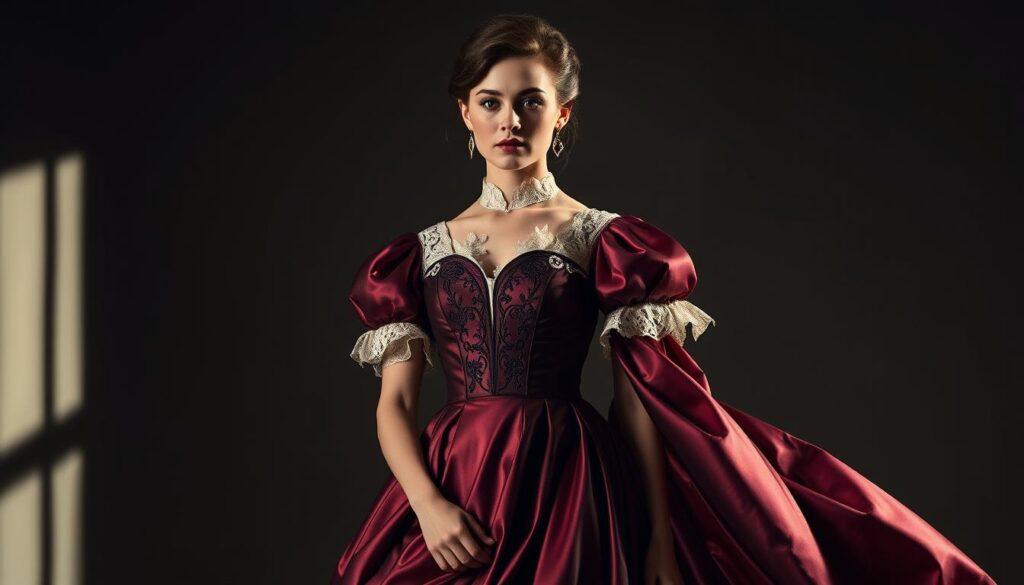
Designers like Spoonflower have changed how we dress up for books. They use fabrics that feel good and look right, even if they’re not exactly from history. Their designs bring the romance of Brontë or the grit of Dickens to life, without making you uncomfortable.
“The goal isn’t to recreate a museum piece—it’s to make the character feel alive and relatable to modern audiences.”
So, when can you update your historical look? Here are some tips:
| Literary Era | Traditional Fabric | Modern Alternative | When to Stick to Tradition |
|---|---|---|---|
| Victorian | Heavy wool, silk | Wool blends, matte polyester | Formal events, historical reenactments |
| Regency | Muslin, linen | Cotton voile, lightweight rayon | Dance sequences, outdoor events |
| Medieval | Hemp, rough wool | Brushed cotton, faux suede | Renaissance fairs, photography |
| 1920s Gatsby | Silk chiffon, velvet | Polyester chiffon, cotton velvet | Black tie events, period films |
The trick is to find a balance between looking right and feeling good. A modern take should evoke Elizabeth Bennet, not break the bank on linen.
DIY costume makers get this. They use new sewing methods with old patterns, mix real and comfy fabrics, and focus on looks and colors. They also add modern touches that hint at the past, not copy it.
Remember, the best historical look today is about telling a story, not just showing off fabrics. A good costume lets you move and breathe, not trap you in the past.
At the heart of it, making costumes for books is about telling stories, not just collecting fabrics. The best modern takes respect the past but live in the now.
Interview with Costume Designers
Ever wonder why your homemade Elizabeth Bennet gown looks like a Halloween costume? The BBC version looks like it came from a museum. I talked to three professional costume designers to learn about literary fabrics.
Sarah Jenkins, who worked on many Austen adaptations, said:
“Amateurs focus on the fabric. Professionals focus on the drape. A cheap muslin might look right in the bolt, but it moves all wrong on camera.”
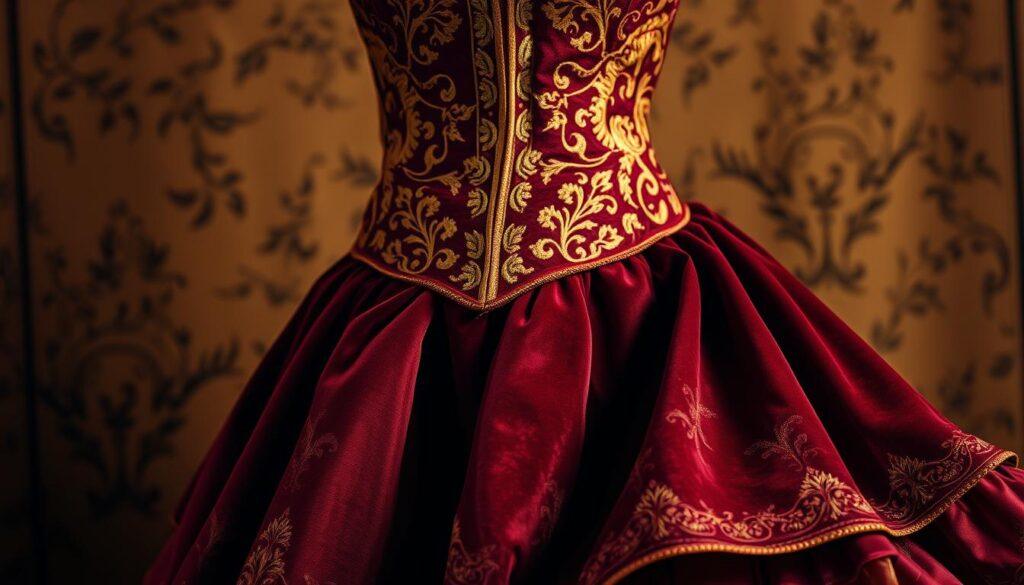
There’s a big debate between staying true to history and making things practical. Do you use real wool that makes actors hot under lights? Or do you use modern fabrics that look good but feel off?
Michael Torres, an Emmy-winning designer, shared his priorities:
“First: What would the character actually wear? Second: What can the actor perform in? Third: What survives 14-hour shooting days? Budget comes fourth.”
This approach explains why theater costumes cost thousands and DIY ones just $47.99. It’s not just about the material. It’s about the construction techniques that are forgotten.
| Design Consideration | Professional Approach | DIY Reality | Compromise Solution |
|---|---|---|---|
| Fabric Authenticity | Hand-woven reproductions | Modern equivalents | Vintage-looking synthetics |
| Construction Methods | Period-appropriate stitching | Modern sewing techniques | Visible seams done properly |
| Color Accuracy | Natural dyes research | Store-bought colors | Tea-dyeing modern fabrics |
| Budget Constraints | $2,000-5,000 per costume | $50-100 per costume | Strategic fabric investments |
Professionals don’t just read books. They study the era’s economy. A merchant’s daughter would wear different literary fabrics than a duke’s daughter, even if they’re the same age.
Jenkins shared a secret: “I calculate how many yards a character could realistically afford, then subtract 10% for authenticity. People always wore clothes longer than we imagine.”
This focus on the era’s economy makes professional work stand out. Your Darcy might look good, but does his waistcoat show his income?
Torres ended with a kind note:
“The best DIY costumes understand spirit over letter. If you capture the character’s essence, we’ll forgive the polyester blend.”
So, when picking literary fabrics, remember: professionals aren’t just making clothes. They’re creating wearable biographies, stitch by stitch.
Tips for Staying True to Source Material
Ever tried dressing like Elizabeth Bennet but looked like a cosplay reject? Let’s fix that. Start with your fabric—literally rough it up. Sandpaper can turn new cotton into something Dickensian for your Oliver Twist ensemble.
It’s not about being a museum piece; it’s about suggesting wear and history without breaking the bank.
Where do you find these book-inspired textiles? Thrift stores are gold mines for vintage patterns that scream Jane Austen. Online retailers like Etsy offer reproductions, but sometimes a modern print with the right feel works just as well.
The goal isn’t historical accuracy—it’s evoking the era so your costume whispers “Darcy” instead of shouting “ren faire”.
Focus on the details that readers remember: a specific collar, a faded hue. Your choice of book-inspired textiles should make the character recognizable, not archaeologically correct. After all, the best costumes tell a story at first glance.