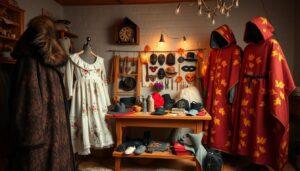
In our world filled with screens, getting kids excited about nature is tough. But, when they wear DIY animal costumes, they light up like adults at a party.
There’s something special happening. When kids wear animal costumes, they’re not just dressing up. They’re exploring another’s view – it’s a fun way to learn empathy.
This experience opens doors to learning about nature. We can talk about habitats and ecosystems in a fun way. Kids learn by doing, not just listening.
These projects do more than spark imagination. They improve fine motor skills and emotional intelligence. It’s a clever way to teach important life skills.
For more learning fun, check out our woodland animal lesson planning guide. It turns play into education. Who knew DIY animal costumes could be so powerful?
Safety & Comfort Checklist: visibility, breathable fabrics, soft edges
Woodland costumes spark creativity, but safety comes first. Think of them as for a peaceful forest stroll, not a ‘Hunger Games’ scenario. The key is visibility, breathability, and soft edges.
Visibility is key to avoid forest blindness. Costumes that block vision turn playtime into a risk. Proper eye holes and peripheral visibility are essential for safe play.
Breathable fabrics are vital for comfort. Kids can get hot, and non-breathable materials can feel like saunas. Natural fibers and moisture-wicking blends keep your little one cool.
Felt masks are a big part of woodland costumes. They need careful design to avoid being too hot or blocking vision. Proper ventilation holes, secure straps, and smooth edges make them safe and comfy.
Soft edges are also important. Kids’ skin is delicate and can easily get irritated. Rounded corners and finished seams prevent irritation and keep the magic alive.
Even how costumes are put together matters. Hot glue needs precision to avoid burns or failures. Strategic placement and cooling periods prevent these risks.
Safety shouldn’t ruin the magic of woodland costumes. It should make the experience worry-free. And the only thing scary is how cute your child looks in them.
Base Silhouettes: hoodie build, tunic‑and‑leggings, onesie approach
Building a costume is like creating a political platform. You need a strong foundation for movement, weather, and nap-time tantrums. The base silhouette is key for comfort and style, like a constitution for your woodland costume.
There are three main ways to design a costume. Each has its own strengths, like different political systems have their own benefits.
The Hoodie Build is like a flexible government. Start with a hoodie for a base layer. It’s easy to change from a woodland creature to a regular kid. The hood becomes animal ears, and the front pouch is great for acorns.
Tunic-and-Leggings Combos are like a system of checks and balances. The tunic lets kids move freely, while leggings add comfort. This combo is great for kids who grow at different rates.
The onesie approach is like a single, unified government. Fleece onesies offer complete character immersion and keep warm. They’re like a Scandinavian parent’s dream.
Why pick fleece onesies? They’re like a detailed policy paper – complete, practical, and flexible. Onesies prevent wardrobe issues and keep the character true to form, even during wild play.
Each silhouette has its own purpose. Hoodies are for quick changes, tunics for layering, and onesies for full immersion. Choose wisely for a happy woodland kingdom.
Headpieces & Masks: felt layering, elastic safety, detachable clips
Let’s talk about the key to a great woodland costume – the headpiece. It’s what turns a child in a brown sweatsuit into a forest creature. The right headwear makes all the difference.
Felt is the top choice for headpieces. It’s layered to look deep but doesn’t weigh down the head. It’s like a mini building for kids, adding grandeur without the discomfort.
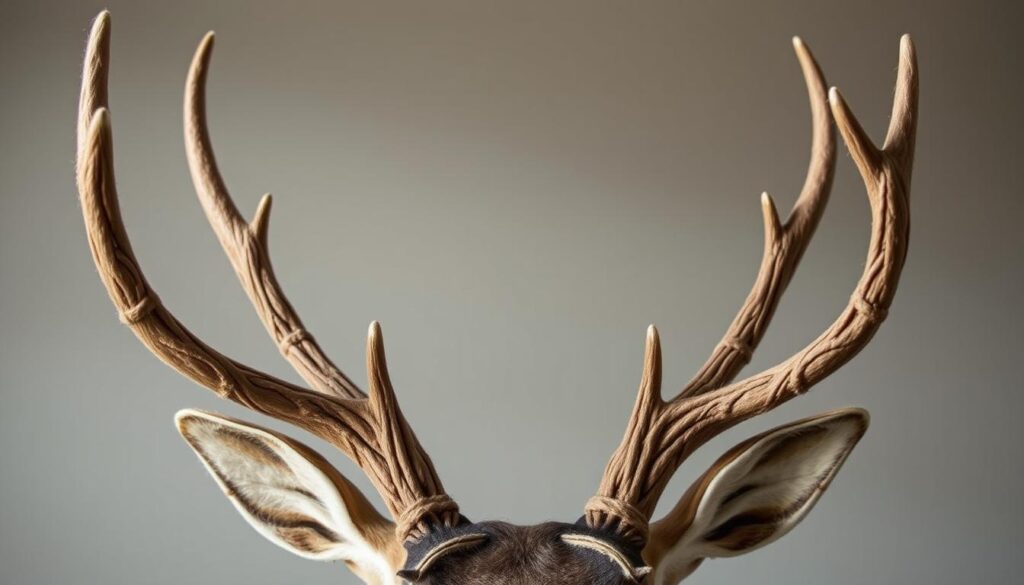
Finding the right elastic is tricky. It can be too tight or too loose. The perfect elastic keeps the headpiece on without hurting or falling off.
Detachable clips are a smart feature. They let kids easily take off their headpieces when needed. This is great for deer antlers and other big headpieces that might get in the way.
If you want top-notch headpieces without making them yourself, check out our forest animals costumes and accessories collection.
Headpiece Construction Comparison
| Component | DIY Approach | Professional Grade | Age Appropriateness |
|---|---|---|---|
| Deer Antlers | Layered felt with wire core | Lightweight foam molding | 4+ years |
| Elastic Bands | Adjustable stitch points | Silicon grip lining | All ages |
| Owl Tufts | Felt triangles on headband | Molded feather composites | 3+ years |
| Detachable Mechanisms | Pin-and-clip system | Magnetic quick-release | 5+ years |
Good headpieces balance well. They should look great without making the head tilt. It’s a mix of science and magic.
You can customize headpieces a lot. Add flowers for spring or glitter for a royal look. It turns a costume into a character.
The best headpieces feel like part of the body. They’re so comfortable, the wearer forgets they’re wearing anything. That’s when the magic really happens.
Tails & Paws: lightweight stuffing, snap‑on tails, grippy paw pads
Let’s talk about the fox in the costume. No woodland creature costume is complete without a good tail and paw details. These make the costume truly come to life.
Lightweight stuffing is key in costume design. We want a tail that looks real, not heavy. Polyester fiberfill is perfect – it’s thick enough to keep shape but light for movement.
Snap-on tails are a big deal in costuming. They make life easier – no more worrying about bathroom breaks or safety. The snap should be strong but easy for kids to use.
When making a fox tail, matching the fur colors is important. Orange and white fur needs careful stitching and brushing. This makes the tail look natural and flowing.
Grippy paw pads are important for safety and realism. They keep kids from slipping and add to the animal look. Choose paw pad colors that match a fox’s fur and ensure they grip well.
The tail should move naturally with your child. It’s all about creating a magical transformation. When done right, it turns a child into a real fox.
Texture Choices: fleece, minky, faux fur alternatives, shed control
Texture is key to making woodland costumes magical, not just comfy sleepwear. The right fabric choice does more than just cover small humans; it creates entire ecosystems of tactile wonder.
Fleece delivers warmth without the weight of actual animal pelts – because nobody wants their child sweating like a politician during debate season. Minky fabric offers luxury that feels like clouds harvested by stylish angels. And modern faux fur alternatives? They provide that wild aesthetic without the ethical dilemmas of actual taxidermy.
Now about shed control: because leaving a trail of fluff behind you isn’t charming – it’s just messy. Quality fabrics from suppliers like Joann maintain their integrity through countless adventures. For owl wings, we’re talking textured fabrics that suggest feathers through clever layering.
The magic happens when texture meets movement. Stiffer fabrics create dramatic wing silhouettes, while softer materials allow for fluid motion. It’s the difference between “majestic forest creature” and “stuffed animal come to life.”
Practical considerations matter too. These textures need to withstand washing, playing, and inevitable tree-climbing attempts. Because let’s face it – these costumes will be tested more rigorously than most campaign promises.
STEAM Tie‑Ins: habitats, tracks, nocturnal vs diurnal
Dress-up can be more than just fun. When your child dresses up as a fox, you’re learning about forests and animals together. That eco-felt turns into a chance to talk about taking care of our planet.
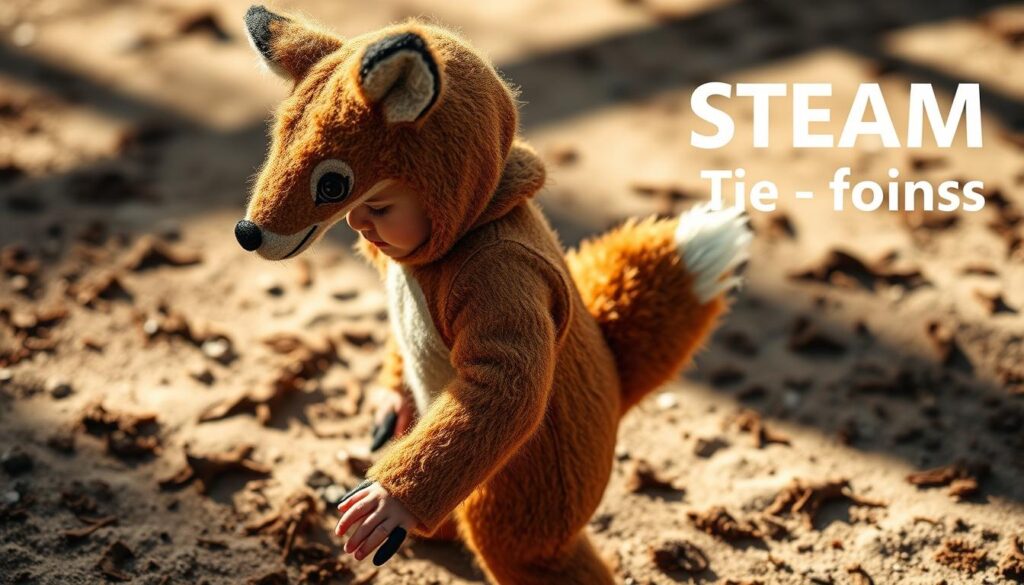
Learning about animal tracks is like solving a puzzle. Those cute paw pads teach us about how animals move and survive. It’s like teaching zoology with a glue gun.
Costumes for day or night animals teach us about the Earth and time. An owl costume leads to talks about the moon and how light affects us. It’s amazing how learning can happen at bedtime.
This way of dressing up mixes many subjects together. It’s math, art, and science all in one. You’re helping your child become a tiny scientist with PhD-level curiosity.
Accessibility Options: wheelchair‑friendly capes, sensory‑lite versions
Why should mobility aids or sensory sensitivities stop a child from becoming a majestic forest creature? They shouldn’t, and here’s how we make it happen.
Let’s talk about wheelchair-friendly capes. They should be as regal as a deer, not as clumsy as a cape caught in a wheelchair. Traditional capes don’t work well with mobility gear.
To fix this, we make three smart changes:
- Modified length that clears wheels by 2-3 inches
- Magnetic or velcro attachment points instead of neck ties
- Lightweight materials that flow without adding drag resistance
Now, let’s look at sensory-lite versions. Some kids feel the world too intensely. Scratchy tags and tight elastics can be overwhelming.
Our approach for sensory-friendly costumes includes:
- Tagless designs with seamless interiors
- Velcro closures instead of constricting elastics
- Weight-distributed accessories that don’t pull or drag
- Soft-lined headpieces with reduced bulk
These aren’t just costumes for special needs – they’re better designed for everyone. Velcro is easier for little hands, and lighter materials are more comfy for longer play.
True creativity means not forcing everyone into the same mold. It’s about making better options. The most magical woodland creature is one every child can be.
Group Sets for Siblings/Classrooms: fox, deer, owl, hedgehog
Nothing says “we’re in this together” like a family or classroom turned into a woodland. Animal costumes bring magic, blending individuality with unity. It’s like a United Nations meeting, but with fur and fewer fights.
The fox, deer, owl, and hedgehog aren’t picked at random. They’re nature’s perfect mix: predator, prey, flyer, and ground defender. Each has its own look, yet they match in color and texture.
Siblings love these group sets because they end the “who gets to be the cool animal” fight. No one is left out. The fox’s tail, deer’s antlers, owl’s mask, and hedgehog’s spikes all get equal love.
In classrooms, these costumes turn learning into fun adventures. Students become different animals, making lessons real. Teachers see remarkable engagement spikes in woodland units.
The costumes are flexible for group photos. They look good together but keep their unique charm. It’s like a coalition that actually works together.
Practicality is key for group sets. Patterns scale up for any number of costumes. We’ve made them easy to make, keeping the fun in production.
But, don’t let predator-prey roles play out in the playground. Little Timmy as fox shouldn’t chase Sarah-as-deer at recess. It’s interesting to study, but not safe.
These woodland group sets foster instant community bonding. They’re perfect for family photos or classroom projects. And let’s be honest, any costume that brings siblings together deserves a peace prize.
Cleaning & Repairs: lint management, patch kits, storage bins
So your child’s woodland costume survived the forest romp. Now what? Start with lint management. A lint roller is key against faux fur’s fiber attraction.
Repairs are inevitable. Keep a patch kit handy. A small snag or loose seam can be fixed in minutes. This is about preserving handmade craftsmanship.
Storage bins are your costume’s off-season home. Choose breathable containers that protect without crushing. Avoid plastic bags—they trap moisture and invite mildew. Fold tails carefully, cushion headpieces, and keep paws flat. Your future self will thank you when next Halloween rolls around.
These costumes aren’t disposable novelties. With mindful cleaning, smart repairs, and thoughtful storage, they become heirlooms. They carry memories of imaginative play, not just threads and fabric. Isn’t that worth a little extra care?