Walking into a fabric store is like stepping into the Library of Alexandria without a map. You’re surrounded by endless choices, each one promising creative success or failure.
I’ve looked at chiffon like it’s ancient hieroglyphics and denim like it’s the Magna Carta. The truth is, choosing materials is more than looks. It’s about understanding the world of textiles.
Natural fibers versus synthetics is like the crafting world’s version of the Hamilton versus Jefferson debate. We’ll guide you through this textile maze with clear steps.
Your project type sets the rules. Then, you must consider the fiber content, weight, and care instructions.
Mastering textile choices shows you’ve got your life together. Plus, it’s fun to make cultural references while doing it.
Understanding Material Properties
Understanding material properties is like decoding the genetic makeup of your crafting materials. It reveals everything about performance and personality. Think of it as reading the fine print before signing a contract with your fabric.
Natural fibers represent the political establishment. Cotton operates like a reliable centrist – universally accessible, breathable, and comfortable. Wool plays the rugged individualist, bringing warmth and structure with a touch of stubborn character. Silk? That’s the aristocratic elite, bringing unparalleled elegance but demanding special handling.
Synthetic fibers are the tech disruptors. Polyester brings Silicon Valley efficiency – wrinkle-resistant, quick-drying, and budget-friendly. Nylon offers military-grade durability, perfect for projects that need to withstand real-world testing. Acrylic plays the imitation game, mimicking wool’s warmth without the maintenance requirements.
GSM measurements (grams per square meter) serve as the fabric’s body mass index. Lightweight fabrics (under 150 GSM) flow like summer legislation – airy and unrestrictive. Medium weights (150-300 GSM) provide the perfect balance, like a well-crafted bipartisan bill. Heavy fabrics (300+ GSM) offer structural integrity worthy of architectural praise.
Durability isn’t just about survival; it’s about how materials handle stress. Natural fibers often develop character with age, like seasoned politicians gaining wisdom. Synthetics maintain their pristine appearance, refusing to show wear even under pressure.
Comfort factors separate luxury from utility. Breathability determines whether your creation feels like a well-ventilated space or a closed-door session. Moisture-wicking properties decide if you’ll stay cool under pressure or succumb to environmental factors.
Texture tells the tactile story. Some materials communicate through subtle whispers of softness, while others announce themselves with bold declarations of structure. The surface narrative matters as much as the underlying composition.
Choosing the right crafting materials means understanding these properties intimately. It’s not about political allegiance to natural or synthetic camps, but about selecting the right character traits for your project’s specific needs.
Common Mistakes to Avoid
We’ve all had that moment of regret when our sewing project goes wrong. It’s because we didn’t do our research on fabric selection. These mistakes are costly lessons in humility.
Ignoring fabric care labels is a big mistake. We often overlook these labels, only to regret it later. A beautiful silk can shrink, just like a failed policy can damage a politician’s reputation.
“Fabric care labels aren’t suggestions – they’re the constitutional amendments of your sewing project. Ignore them at your peril.”
Choosing the wrong fabric for your project is like trying to fit modern politics into old systems. Different fabrics have their uses. Using the wrong one can lead to problems.
Pattern alignment issues are like gerrymandering in sewing. When patterns don’t match up right, it looks bad. It’s like creating fabric districts that don’t work well together.
Not getting enough fabric is a common mistake. It’s like promising to do something without the means to do it. Running out of fabric mid-project is a disaster.
| Mistake | Political Analogy | Practical Consequence |
|---|---|---|
| Ignoring care instructions | Unread legislation | Shrunken, damaged projects |
| Mismatching fabric properties | Ideological inconsistency | Poor fit and functionality |
| Neglecting pattern alignment | Gerrymandering districts | Awkward visual seams |
| Underestimating requirements | Unfunded mandates | Incomplete projects |
These sewing essentials mistakes all come from not doing enough research. Understanding fabric before starting a project can prevent many problems. For more tips, check out this guide on fabric selection mistakes that even experts make.
The key to good fabric selection is to respect the fabric’s nature. You can’t make a fabric do something it’s not meant to do. It’s like trying to make democracy work without people’s participation.
Step-by-step Fabric Selection Guide
Think of fabric selection as a political strategy, not just random shopping. You’re not just picking textiles. You’re building a coalition of fibers that must work together toward a common purpose.
First, define your project’s manifesto. What are its core values? Durability? Breathability? Formal elegance? This isn’t about vague preferences. It’s about constitutional requirements for your creation.
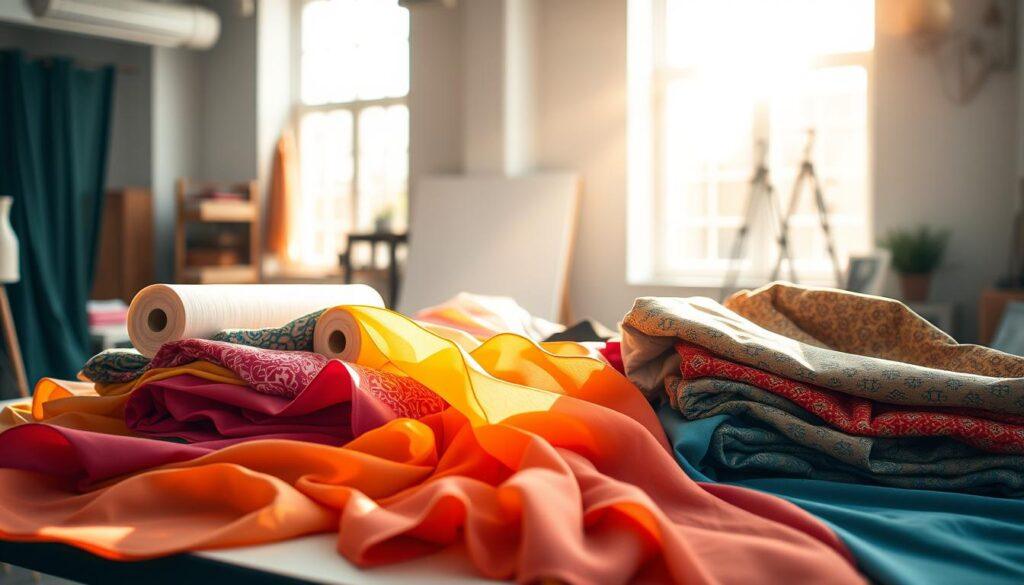
Next, conduct opposition research. Visit fabric stores like you’re investigating a political scandal. Feel textures, examine weaves, and request swatches like they’re confidential documents. Actual touch reveals more than any product description ever could.
Now test the drape – fabric’s body language. Does it hang with presidential dignity or casual informality? Drape testing separates statesman-like materials from those that would prefer to nap.
Width considerations require polling accuracy. Measure twice, cut once – or in political terms, take accurate surveys before making policy decisions. Never assume all bolts are created equal.
Stretch assessment separates flexible candidates from rigid ideologues. Some fabrics give like bipartisan compromise; others stand firm like party-line votes. Know which your project requires.
Lastly, consider color and pattern like campaign branding. Will it work under various lighting conditions? Does it coordinate with existing wardrobe constituents? This is where aesthetic strategy meets practical politics.
Smart fabric selection combines analytical rigor with creative vision. It’s what separates amateur crafters from strategic textile operatives.
Testimonials from Experienced Crafters
Sarah from Brooklyn learned a hard lesson about crafting materials. “My first quilt looked like a congressional redistricting map – all wrong proportions and frayed edges,” she admits. That polyester blend shrank more than a politician’s promises after election day.
Michael, a tailor with 20 years experience, compares fabric selection to Supreme Court deliberations. “The pattern suggests certain crafting materials, but sometimes you need judicial interpretation. Cotton is your constitutional originalist – reliable and predictable. Silk demands more progressive thinking.”
These veterans agree: start with basic cotton before moving to complex fabrics. Think of it as political groundwork before running for higher office. Lisa from Chicago says, “Better crafting materials won’t fix poor technique, just like better rhetoric won’t fix bad policy.”
Their collective wisdom? Treat each project like crafting legislation. Read the fine print on those crafting materials. Test swatches like polling data. And remember – even the most experienced crafters make mistakes worth learning from.