We’ve all had that moment when a favorite piece of clothing turns into a relic. That sweater that looks like it went through the apocalypse instead of just a wash.
Textiles are delicate, despite looking tough. They’re like the quiet ones in your closet, needing care and attention.
The Canadian Conservation Institute says we can slow down wear but can’t stop it. It’s like trying to avoid Monday mornings but they always come.
Keeping clothes in good shape is about finding a balance. It’s not just about keeping them looking new. It’s about making sure they’re loved and last a long time.
Cleaning Techniques for Different Fabrics
Ever tried talking to a silk gown that’s falling apart under the lights? Welcome to the world of costume care. Each fabric needs its own special treatment, or you’ll end up with a mess.
Cotton is like the dependable friend who absorbs everything. But it can turn yellow fast if not treated right. Use cold water and gentle cleaners to keep it looking good.
Linen is like the elegant aristocrat – strong but prone to wrinkles. Iron it while it’s damp to keep it looking sharp. Avoid fabric softener and bleach to prevent damage.
Wool is the delicate artist that gets damaged by water. Treat it with cold water and mild detergent. Lay it flat to dry, as it remembers any rough handling.
Silk is the diva of fabrics. It can shatter under the wrong conditions. Handle it with care, like a priceless painting.
Here’s what you need for cleaning:
- Vacuum with adjustable suction – gentle as a feather
- Soft natural bristle brushes – won’t scare a kitten
- pH-neutral detergents – for delicate fabrics
For detailed care tips, check out this fabric care guide. It’s like a thriller for keeping your costumes in top shape.
The real challenge isn’t just cleaning fabrics. It’s learning their unique needs. In costume care, knowing your stuff means the difference between success and disaster.
Storage Solutions for Costumes
Knitted textiles hanging vertically is like putting a soufflé in a blender – the structural damage is irreversible. These pieces demand the architectural support of proper costume preservation, not the cruel punishment of wire hangers and cramped closets.
Think of your storage space as a climate-controlled art gallery where every garment gets its own curated exhibit. The Museums & Galleries Commission recommends conservation-grade materials that would make regular storage supplies blush with embarrassment.
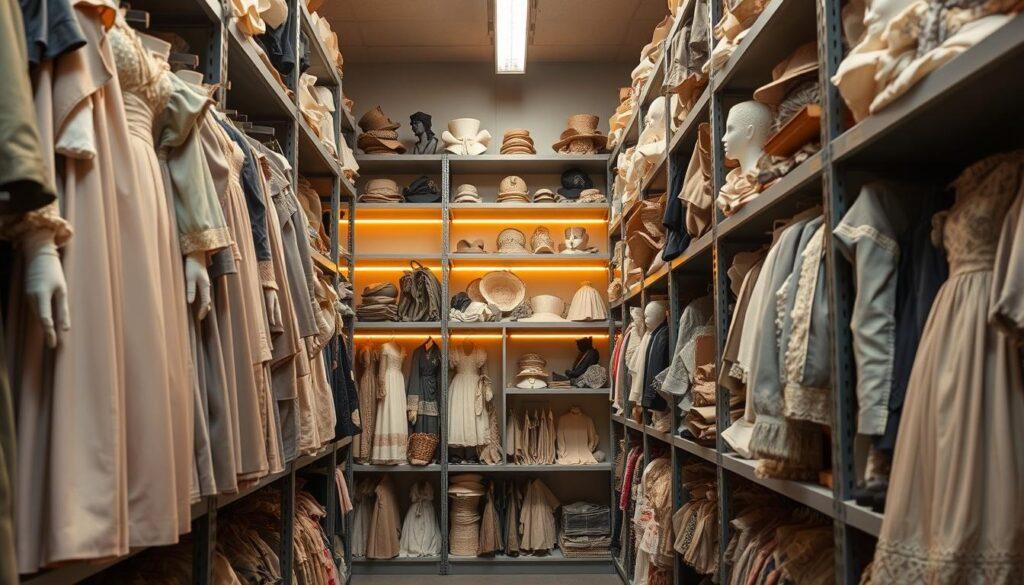
Flat storage isn’t just preferred – it’s non-negotiable for delicate textiles. Sharp creases become permanent fractures in the fabric’s memory, like relationship mistakes that never quite fade. Padded hangers shaped to specific garments and drop-fronted boxes aren’t luxuries; they’re basic human rights for costumes.
The real magic happens when you control the environment. Consistency is king in costume preservation – humidity levels should be more stable than your favorite barista’s mood on Monday morning.
| Storage Method | Best For | Avoid For | Pro Tip |
|---|---|---|---|
| Padded Hangers | Structured garments, suits | Knitted items, heavy beading | Shape to garment contours |
| Flat Box Storage | Delicate fabrics, knitwear | Quick-access costumes | Use acid-free tissue between layers |
| Textile Rollers | Large pieces, tapestries | Small accessories | Cover with muslin before rolling |
| Climate Control | All textiles | Budget solutions | Maintain 45-55% humidity |
Your storage system should be more organized than a Marie Kondo devotee’s sock drawer. Color-coded boxes, detailed labels, and inventory systems aren’t obsessive – they’re the difference between costume preservation and costume catastrophe.
Remember: acid-free tissue paper is the unsung hero of textile conservation. Regular paper is like sending your costumes to smoke cigarettes in the storage room – the acid damage accumulates silently but relentlessly.
Proper costume preservation isn’t about perfection; it’s about creating a stable environment where change becomes the enemy and consistency reigns supreme. Because nothing says “I respect history” like properly calibrated humidity levels.
Repair Tips
Costume repair is like emergency care for fabrics. It’s about fixing small problems before they get big. Tiny holes and tears can lead to major damage if not fixed.
Costumes face many dangers. Every time you touch them, every time you move them, they can get damaged. The threads that hold decorations together can weaken over time.
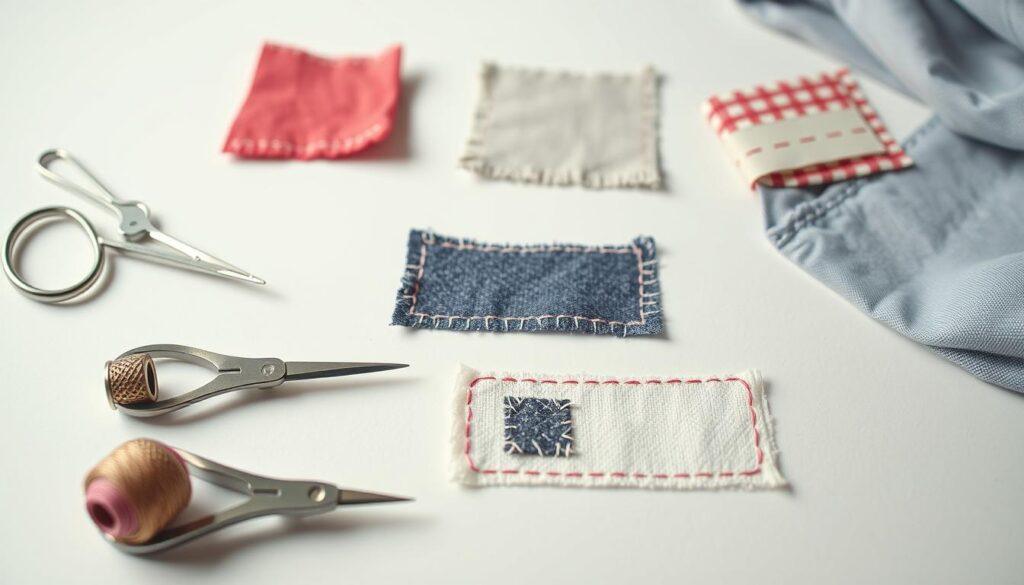
Old costumes might look strong, but they need care. The Canadian Conservation Institute says even strong-looking items can be fragile. They need to be handled with care.
When fixing costumes, be very careful. Always keep loose parts with their original object. This helps keep the costume looking good and working right.
Knowing when to stitch versus when to step back separates amateur repairs from professional fabric care. Sometimes, a little stitching can fix a lot. But other times, it’s better to leave it alone and avoid making things worse.
Before you start fixing, ask yourself a few questions:
- Will my intervention prevent further damage?
- Am I using materials compatible with the original fabric?
- Could this repair cause more stress than it solves?
Know when to call in the experts. Some repairs need special skills and tools. Trying to fix something you don’t know how to fix can make things worse.
The main goal is to keep the costume in good shape. Sometimes, the best repair is the one that says, “I’m not sure, let’s get help.” Your costumes are worth that kind of care.
Preserving Your Costumes for Longevity
Costume preservation is like a marathon, not a sprint. It’s all about the daily care that keeps them alive. Your costumes are more than fabric; they’re historical documents that tell stories through every stitch.
Environmental factors can harm your costumes. UV rays fade colors, and wrong humidity levels invite mold. Pests see your collection as a feast. You need to create a safe space that keeps these threats away.
Using the right materials is essential. Acid-free tissues and special films protect against damage. It’s not about the cost, but about saving history from fading away.
Consistent care is key to keeping costumes alive. It’s the small, daily steps that make a big difference. Your collection needs your attention and care to thrive.